
Cloud infrastructure and DevOps

Cloud infrastructure your own team can run

Cloudnonic designs, builds and operates AWS infrastructure for the products we build and for companies whose platform has outgrown what one engineer set up by hand. Everything is infrastructure as code in Terraform, deployed through automated pipelines with health checks and rollback, monitored, and backed up in a way that is tested by restoring. We run it with a named engineer on call, and we hand it over documented so your team can take it on.

AWS
  • Google Cloud
  • Microsoft Azure

What is included

Architecture and landing zone

Accounts, networks, identity and cost boundaries designed for the product and the compliance it needs, in your own AWS organisation.

Infrastructure as code

Every resource in Terraform, reviewed in pull requests, with environments that are created and destroyed from code rather than by hand.

CI/CD

Pipelines that build, test, deploy and verify with health checks and automatic rollback, so routine releases do not need a maintenance window.

Observability and on-call

Logs, metrics, traces and alerts that page a named engineer, with runbooks for the incidents we expect.

Resilience and cost

Backups restored in tests, disaster recovery rehearsed, and a monthly look at the bill with the changes that follow from it.

What goes wrong, and what we decide instead

  1. Infrastructure the team cannot run

    A capable contractor builds something elaborate, leaves, and the team is afraid to touch it. Every change becomes a ticket to an outsider.

    What it costs

    Slow releases, a bill nobody can explain, and an outage that takes days because the person who knew is gone.

    How we decide

    We build with the tools your team already knows, in code they review, and the handover is part of the scope, not a favour at the end.

  2. Backups that have never been restored

    Snapshots exist, nobody has restored one, and the first real restore happens during an incident.

    What it costs

    Hours or days of downtime at the worst moment, and data loss that no insurance covers.

    How we decide

    Restore tests are scheduled and automated. Recovery time is measured, not assumed.

  3. Cloud costs discovered on the invoice

    Environments are left running, instances are oversized for safety, and the bill grows with nobody responsible for it.

    What it costs

    A large share of the cloud budget spent on nothing, and a surprise when the runway is calculated.

    How we decide

    Cost is a monthly review with an owner, environments are created and destroyed from code, and sizing follows measured load.

How we work with you

How we work with you

Infrastructure is included when we are your product team, and it is a common reason companies bring us in as an embedded team: a platform that works but that only one person understands. We fix the risk first, then hand over a setup your engineers can change without fear.

An embedded team · What this prevents: A six-month hiring cycle for a skill you need this quarter, and a vendor that works outside your process and leaves no trace in your repos.

The two engagement models →

Stack we use

Chosen per project. We pick what your team can run after us, not what is fashionable.

  • AWS
  • Terraform
  • AWS Lambda
  • Docker
  • GitHub Actions
  • GitHub Actions
  • Docker
  • AWS Lambda
  • Terraform
  • AWS

Proof

Case studies in this scope. Every figure comes from the study behind it.

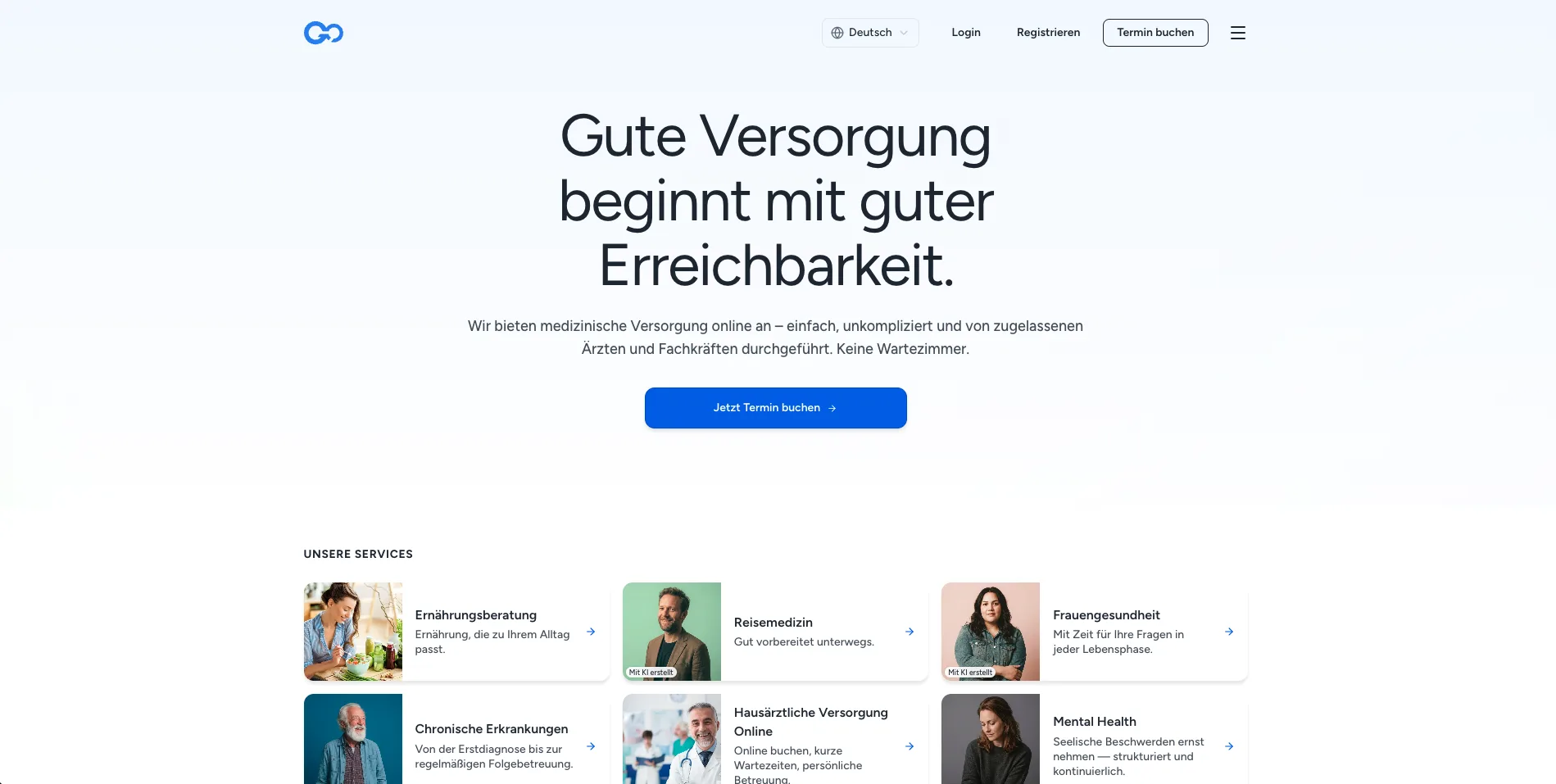
HealthTech — idea to Series A

GoMedicus

Months from kickoff workshop to Series A
19
Of the platform's engineering owned by Cloudnonic
100%
Measured recovery time in a disaster-recovery drill
47 min
Container deploy, with automatic rollback
8 min
  • NestJS
  • Next.js
  • PostgreSQL
  • AWS
  • Terraform
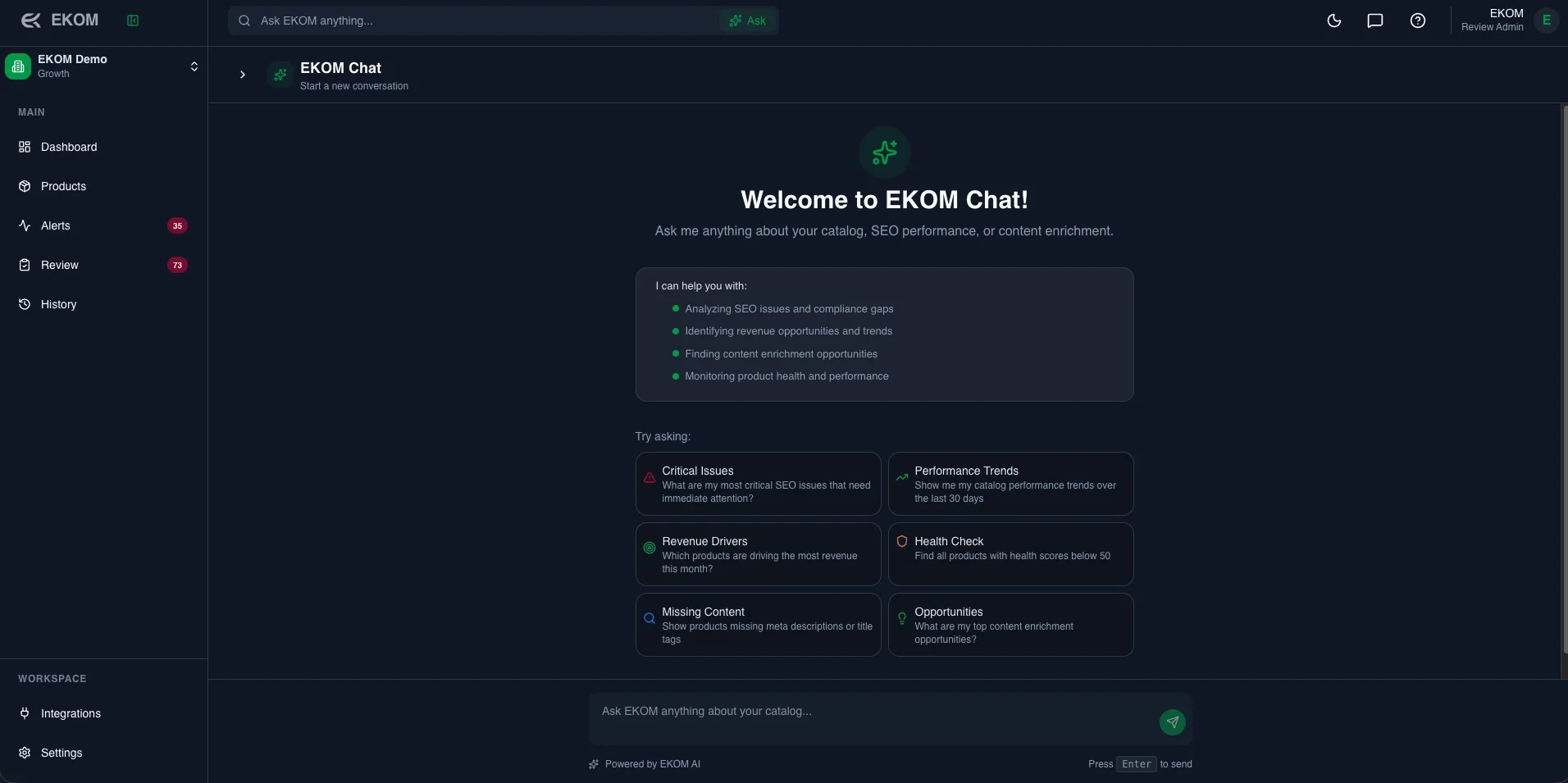
AI-Powered E-commerce Optimization

EKOM AI

Products monitored
50,000+
Uptime guarantee
99.9%
Teams trust the platform
20+
Support available
24/7
  • Python
  • React
  • AWS
  • Python
  • React
  • AWS
Industrial IoT — grid monitoring platform

IoT Energy

Field devices registered on the platform
366+
Transmission lines monitored
21+
Utilities and partners with their own tenant
13+
Sensor types with their own processing chain
5+
  • FastAPI
  • React
  • PostgreSQL
  • AWS Lambda
  • Terraform
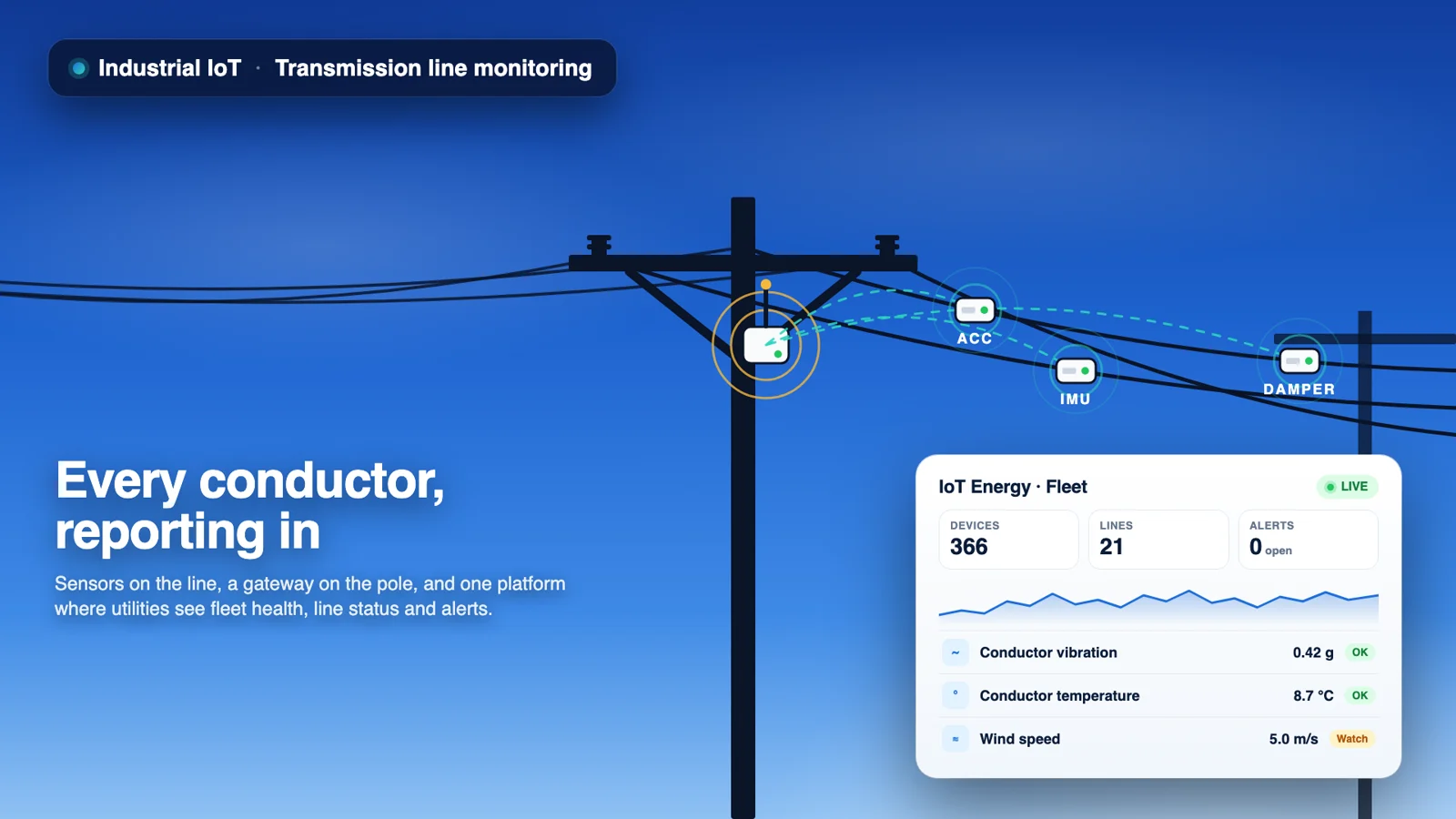
Sensors clamped on a high-voltage line at dusk, each one linked to a gateway on the pole, next to a live telemetry panel of the IoT Energy platform

Frequently asked questions

Do you only work on AWS?

AWS is our default and where most of our production experience is. We take on other providers when a client already runs there, and the practices are the same: everything in code, automated pipelines, tested backups, and an engineer on call.

Can you take over infrastructure someone else built?

Yes. We start with a review of what exists, what is documented and what is a single point of failure, agree the order of fixes with you, and bring the setup into code and pipelines step by step while it keeps running.

Do you hand the infrastructure over to our team?

That is the goal. Everything lives in your accounts and repositories from the start, your team reviews the pull requests, and handover with runbooks and pairing is part of the scope.

Who is on call?

A named Cloudnonic engineer is on call for the platforms we run, with alerting and runbooks in place. When your team takes over, we rehearse the rota with them first.

Built the AI-Native way

Every service on this page is delivered with our AI-Native process: specs as the source of truth, agents in the pipeline, and a named engineer signing off at staging.

How we build with AI →

Want to see how this would work for your product?

Book a call and we will go through your architecture, your constraints and what the first ninety days would look like.Book a technical consultation
CLOUDNONICCLOUDNONICCLOUDNONIC