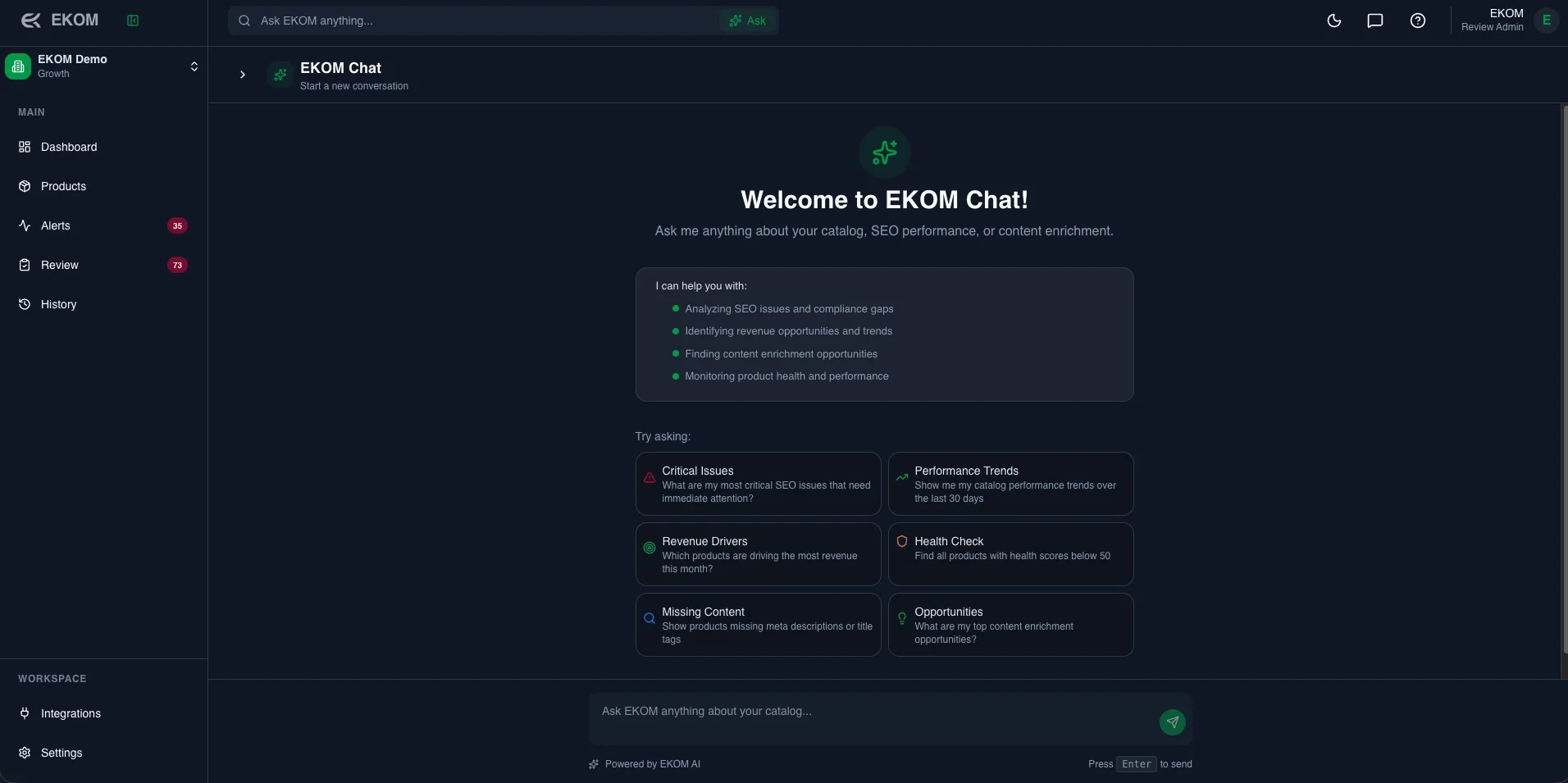
AI-Powered E-commerce Optimization
EKOM AI
- Products monitored
- 50,000+
- Uptime guarantee
- 99.9%
- Teams trust the platform
- 20+
- Support available
- 24/7
 Python
 React
 AWS
- Python
- React
- AWS
AI-Native Engineering is how Cloudnonic delivers every engagement: a senior team that uses AI models and agents at each step of the lifecycle, from the ticket to the release, while the decisions, the review and the responsibility stay with named engineers. It is not a product we sell. It is the reason a team of a few senior people can own the infrastructure, backend and frontend of a platform and still release weekly.
Five practices, each with a human checkpoint. Together they are the delivery process behind the platforms listed further down this page.
Tickets are written with the context an agent needs, implementation is paired with a coding agent, pull requests are reviewed by a model before a person, and release notes and documentation are generated from the change itself. Nothing skips the pipeline.
Every project keeps a written memory bank in the repository: architecture decisions, domain rules, conventions and open questions. Agents and engineers read the same documents, so the context does not live in one person's head, and a new engineer or agent is productive in days.
Agents run the repetitive parts of delivery: scaffolding from the spec, test generation, dependency updates, migration checks and a first-pass code review. They run in CI with the same permissions and the same logs as any other job.
No change reaches production without a named engineer approving it on staging, with the generated test evidence in front of them. The agent proposes, the engineer decides, and the approval is recorded.
Secrets, personal data and client code never leave the boundaries agreed in the contract: EU-hosted or self-hosted models where required, no training on client data, dependency and secret scanning on every run, and an audit trail of what each agent did.
What it changes for a client is concrete, and it shows up in the figures behind the case studies.
From a scoping workshop to a first working version in weeks rather than quarters, and a weekly release cadence from the first month, because the mechanical work no longer waits for a free engineer.
A senior team of three to five people does the work that used to need ten, with no junior layer and no project-management layer to pay for. You pay for judgment, not for typing.
Every change is linked to its ticket, its spec, its test evidence and its approval. When an auditor, an enterprise customer or a new CTO asks why something is the way it is, the answer is in the repository.
Fewer people with more context each. The engineers who scope the system are the ones who run it, which is what keeps estimates honest and incidents rare.
When an investor's advisor reviews a platform we deliver, the architecture decision records, the security and data-protection concepts and the process documentation they ask for already exist, because the delivery method produced them with every change. That is how GoMedicus passed its diligence at the Series A on documentation written while building, not in the weeks before the round.
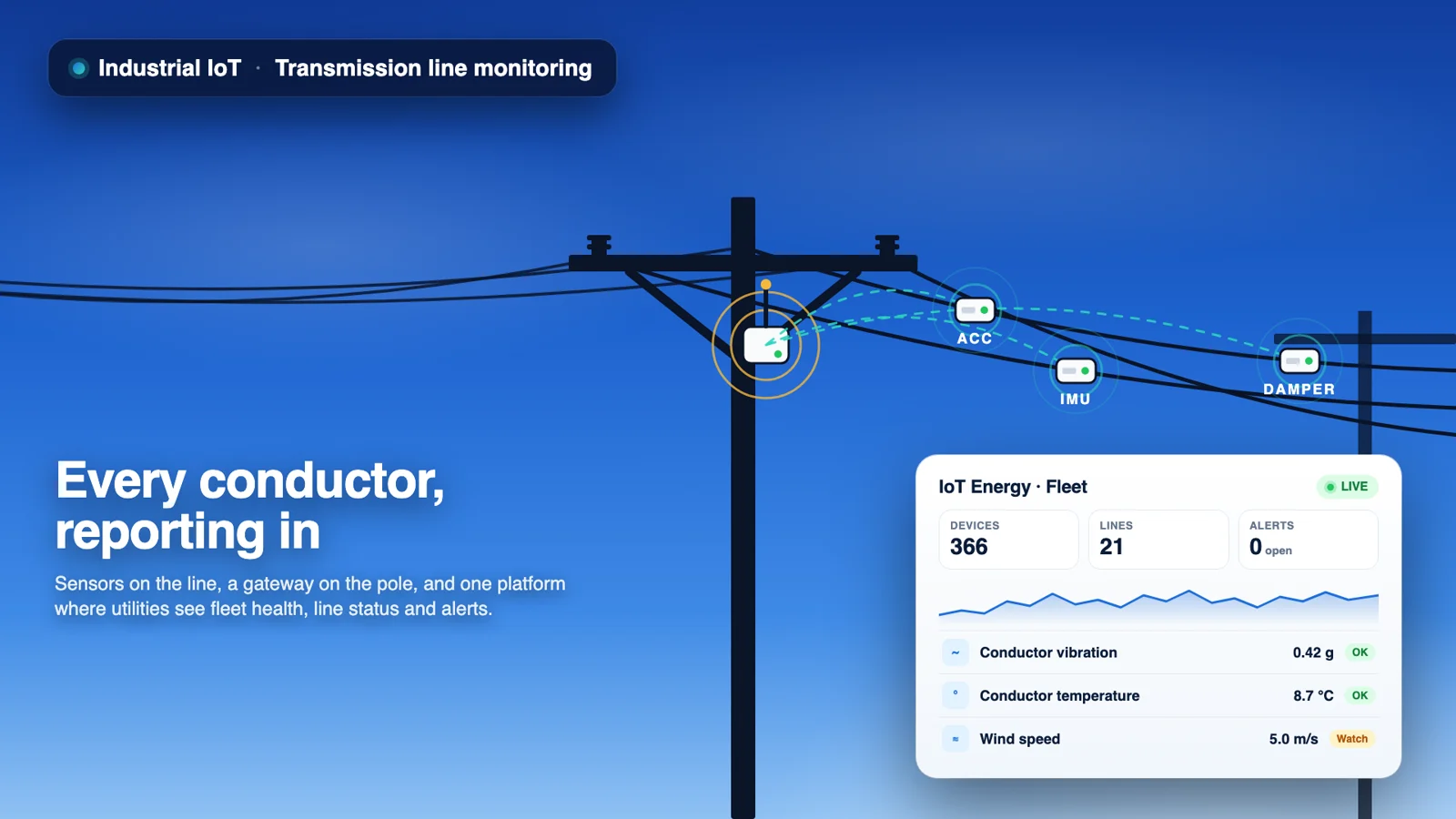
The technical due diligence service →The platforms delivered this way, with their figures. Every number comes from the case study behind it.
PythonReactAWSPythonReactAWS FastAPIReact
 PostgreSQLAWS Lambda
 Terraform
No. It is the way we deliver all of our services: product teams, embedded teams and fixed-scope projects. You do not pay for it separately, and you cannot opt out of the parts that make delivery safe, such as human sign-off and the audit trail.
AI writes a first version of a lot of it, and engineers decide what ships. Every change is reviewed by a model and then by a named senior engineer, tested, and approved on staging by a person. The responsibility for what is in production is ours, not the model's.
They stay inside the boundaries we agree in the contract. We use providers with EU data residency or self-hosted models when the data classification requires it, no client data is used to train models, and the memory bank, the agents' logs and the audit trail live in your repositories.
Yes, and embedded engagements often include it: we set up the memory bank, the pipeline agents and the review flow inside your repositories, work in it with your engineers, and hand it over documented.
By the same measures as any delivery: lead time from ticket to production, release frequency, change failure rate and recovery time. The case studies on this page show the figures for platforms run this way.